The Coast in Winter
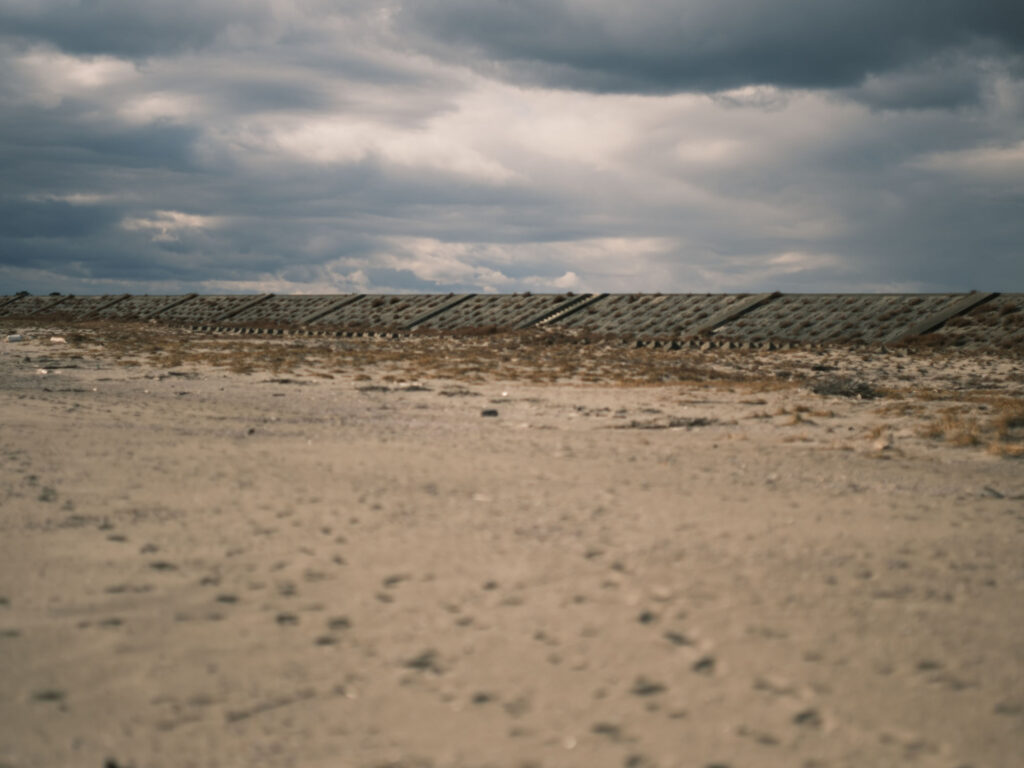
There is a beach east of the city where I live. Most days, almost no one goes there. On the last day of the year, no one at all.
It was a neighbourhood once. Houses, a school, a swimming beach in summer. The tsunami in 2011 took almost all of it. What remains now is the beach itself, a long seawall, and a quiet that doesn’t feel empty — it feels held.
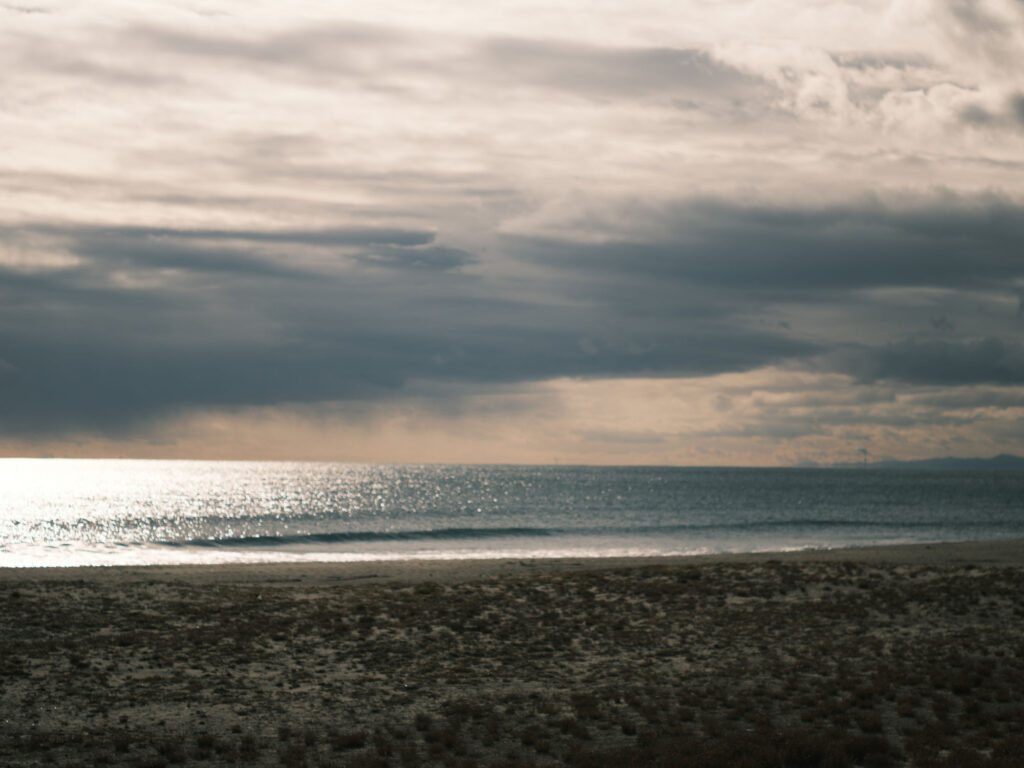
I drove out on December 31st. The sky was low and grey, the sea rough and colourless, the wind coming straight off the water. Winter in northern Japan has a way of stripping everything back to its essentials. No colour, no warmth, no one watching. Just the weight of the air and whatever is left standing.
The sand was hard from cold. The waves hit the seawall in short, flat bursts — not dramatic, just persistent. The kind of sea that doesn’t invite you in but doesn’t ask you to leave either.
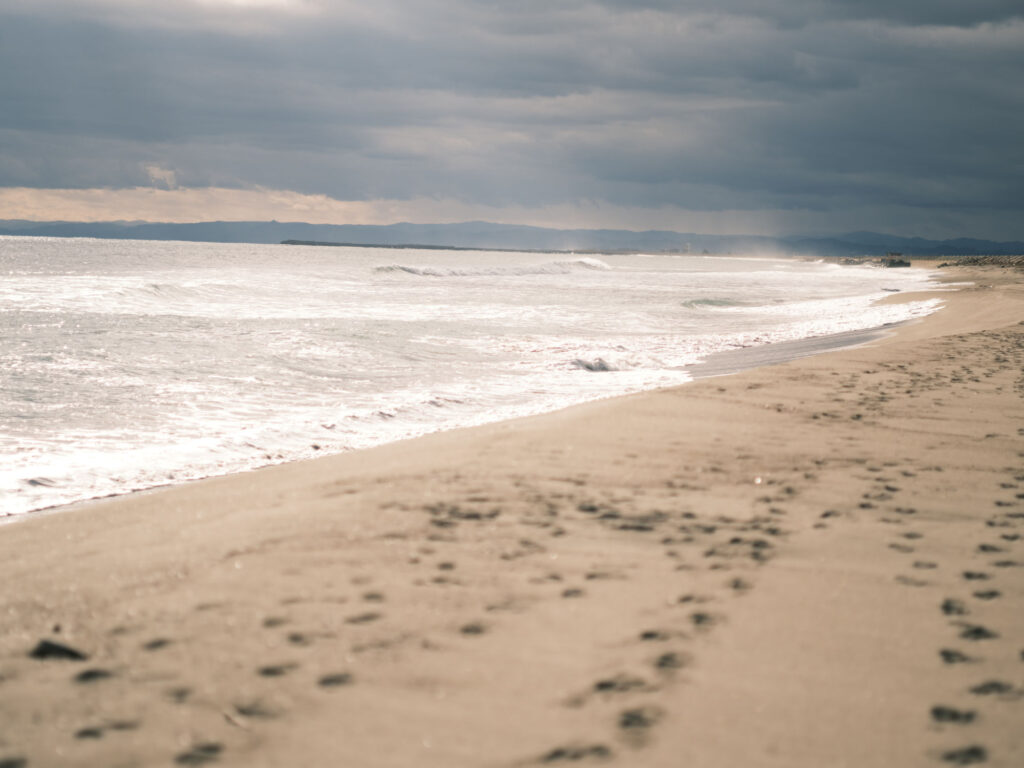
I brought the GFX and a vintage Takumar 105mm — a lens from the 1970s that doesn’t communicate with the camera body at all. No autofocus, no stabilisation, no metadata. You set the aperture on the lens barrel and focus by hand. It forces you to slow down, which is the point.
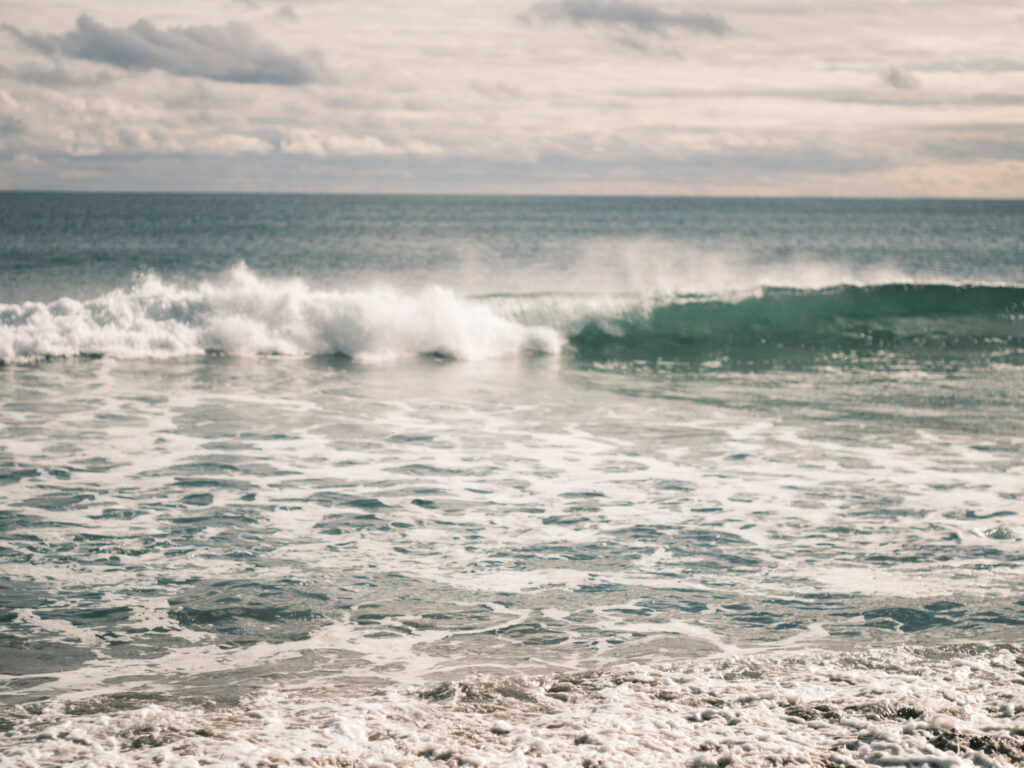
The Takumar does something to winter light that modern glass doesn’t. It softens without blurring. The highlights roll off instead of clipping. There’s a texture to the rendering — almost like looking through old window glass — that suits a place like this, where everything is already muted.
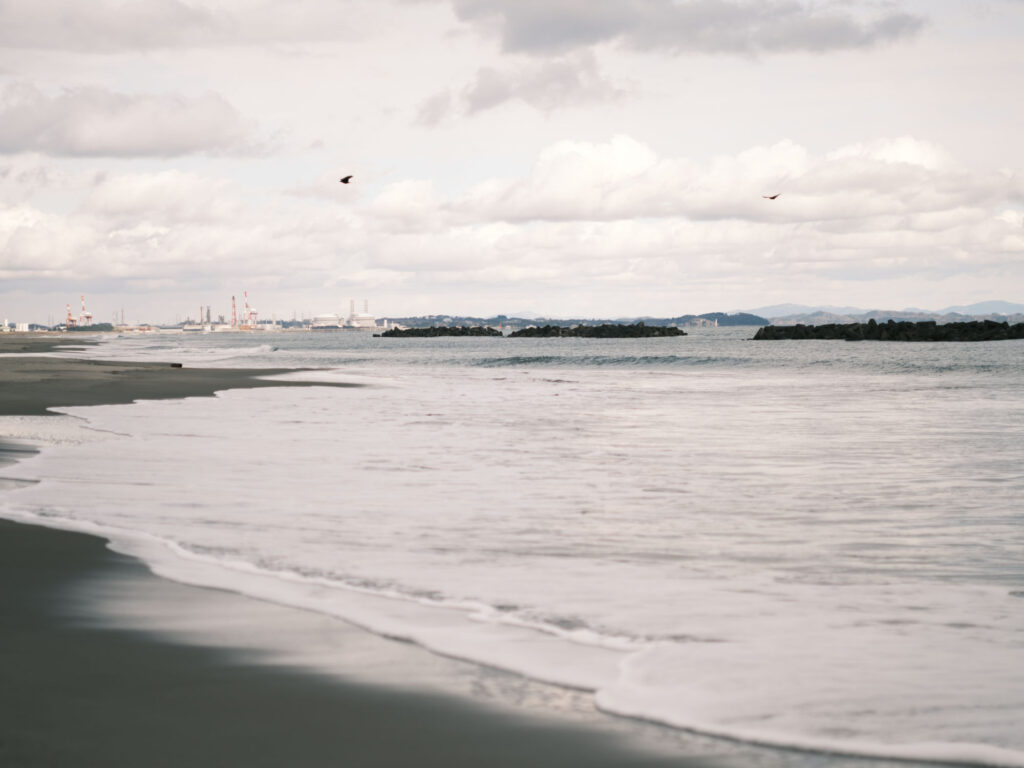
I walked the length of the seawall and back. Took five frames I wanted to keep. Drove home before dark. Somewhere behind me, the year ended.
Some places don’t need explaining. They just need someone to show up with a camera and pay attention.
Shot on Fujifilm GFX100S with Super-Multi-Coated Takumar 105mm f/2.4. December 31, 2025. Straight out of camera.